Close Cookie Popup
Cookie Settings
By clicking “Accept All Cookies”, you agree to the storing of cookies on your device to enhance site navigation, analyze site usage and assist in our marketing efforts. More info


Industry:
.svg)
Health & Wellness
Products Live:

Cart

Checkout
Features:
+30%
Increase in prepaid orders
14%
Reduction in RTOs
+25%
Increase in AOV
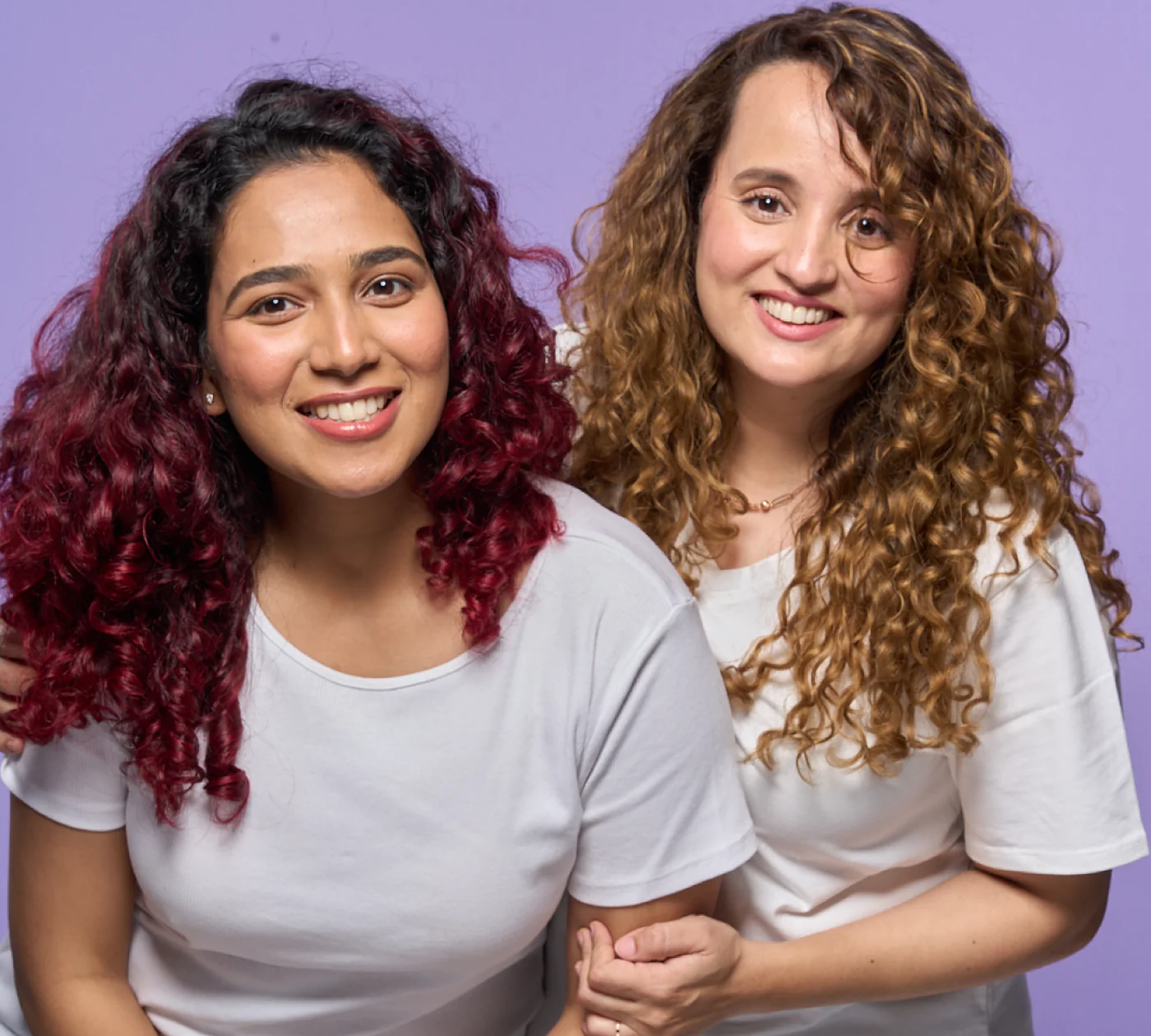
Manetain is a Mumbai-based textured haircare brand founded by Hinshara Habeeb and Yuba Aga in 2018. The brand launched in 2020 with accessories, followed by haircare in 2021. From community-led beginnings to Shark Tank exposure, Manetain scaled fast, expanding to Nykaa, Blinkit, Flipkart, Tira and more. At its core, Manetain exists to help people embrace and maintain their natural texture.
Manetain is a Mumbai-based textured haircare brand founded by Hinshara Habeeb and Yuba Aga in 2018. The brand launched in 2020 with accessories, followed by haircare in 2021. From community-led beginnings to Shark Tank exposure, Manetain scaled fast, expanding to Nykaa, Blinkit, Flipkart, Tira and more. At its core, Manetain exists to help people embrace and maintain their natural texture.
For Manetain, the website was never just another place to collect orders. It was the only space where the brand truly had control.
On marketplaces, they gained visibility. But on their own website, they owned the customer relationship. They owned the data - emails, browsing behavior, purchase history. They controlled how the brand was experienced - the education around routines, the way products were bundled, the storytelling, the packaging, the loyalty rewards.
Most importantly, it was the one channel where they protected margins, without paying marketplace commissions or depending on external platforms.
In many ways, the website was their most strategic asset. But something wasn’t adding up.
Customers were visiting. Orders were being placed. Revenue looked fine on the surface. The problem wasn’t marketing. It was what happened at the last step- checkout.
Here are 3 things they were struggling with at checkout:
At the time, the payment split was simple:
50% prepaid
50% COD
Returns were around 17–18%.
“We were scaling on Meta… and without a limit on COD, it was going haywire.”
— Hinshara Habeeb, Co-founder, Manetain
Half the orders were COD. A good portion of those orders were being returned. That meant higher shipping costs, RTO charges, inventory damage, and operational strain.
There were no prepaid nudges. No COD caps. No structured friction.
Checkout didn’t yet have structured nudges or controls around payment behaviour.
For a liquid-heavy haircare brand, that kind of exposure can become expensive at scale.
Earlier, repeat purchase rates were around 45%.
As marketplaces expanded, repeat behaviour shifted as customers explored marketplaces for convenience. Not because customers stopped loving the brand but because many were simply reordering from platforms like Nykaa, where they were already shopping.
“We realized customers weren’t leaving us they were just choosing convenience. But if they were going to buy from our website, it had to give them a stronger reason to do so.”
- Hinshara Habeeb, Co-founder, Manetain
This meant the website had a new responsibility. It needed to increase prepaid, protect margins and lift AOV.
And that meant rethinking checkout.
By the time Manetain started exploring checkout solutions, they weren’t looking for a cosmetic upgrade. They were looking for control.
Shopflo was introduced through their fractional CMO, someone who had worked with other high-performing D2C brands. But the decision wasn’t based on referral alone. Hinshara evaluated it from a business lens.
“We didn’t need just a faster checkout. We needed a smarter one too.”
- Hinshara Habeeb, Co-founder, Manetain
Three things mattered most.
Manetain sells routines, not individual SKUs. But checkout wasn’t helping customers complete those routines.
They needed:
Shopflo allowed checkout to become a merchandising surface without making it cluttered or aggressive.
“It didn’t feel like a transaction. It felt very hands-on.”
- Hinshara Habeeb, Co-founder, Manetain
For a growing D2C brand, speed of implementation is critical. Founders don’t have the luxury of long onboarding cycles or figuring things out alone. Hinshara was personally involved in setting up the backend and experimenting with different configurations. And during that process, support mattered.
“For every small thing, I used to reach out. And someone from the team was always available” says the founder.
That reliability made a difference. It wasn’t just about access to a tool, it was about having guidance while using it.
She was looking for a tool that was powerful without being messy and complicated. Many advanced checkout flows can feel cluttered, overwhelming, or too aggressive.
Hinshara was clear about what she didn’t want. For her, design wasn’t cosmetic. It was conversion-critical and now she says, “The design layout is very classy.”
“We didn’t want something that complicates the customer journey. It still has to feel smooth.”
- Hinshara Habeeb, Co-founder, Manetain
"We set up a proper limit on COD and post that the split has always been 80/20… and we are happy with that."
— Hinshara Habeeb, co-founder, Manetain
They implemented 3 simple but powerful changes using Shopflo:
Customers above that cart value could not choose COD. This filtered out high-risk large COD orders.
This introduced mild friction enough to make Indian customers reconsider.
Instead of punishing COD users, they rewarded prepaid users.
This is an important distinction.
They didn’t remove choice.They structured behavior.
The impact was immediate and measurable.
Payment mix improved from 50% prepaid / 50% COD to 80% prepaid / 20% COD.
Returns dropped from 17–18% to 4%.
This single shift stabilized margins, reduced RTO losses, and gave the brand more predictable cash flow.
Manetain didn’t increase AOV by pushing discounts harder.
They redesigned what happens at checkout.
Instead of treating checkout as the final payment step, they turned it into a structured incentive layer combining contextual upsells with a tiered free gift selector.
Here’s how the two worked together.
Manetain sells routines, not individual products.
So they used Shopflo’s upsell feature to introduce relevant suggestions based on what was already in the cart.
If a customer added:
This wasn’t aggressive cross-selling. It was logical completion. Upsell increased attachment rate and helped customers add one or two more relevant products.
But this alone would not have pushed AOV. That’s where the second lever came in.
During campaigns like Diwali, Christmas, and brand/founder birthdays, Manetain activated Shopflo’s free gift selector.
They introduced tiered milestones:
This changed customer psychology.
Hinshara explained it clearly:
“My normal AOV on the website is 1200. This did increase the AOV to ₹1500.”
This combination worked simply because Upsell helped customers add relevant products. The gift gave them a reason to keep going.
One made it logical. The other made it motivating.
Together, they created upward momentum inside checkout. Instead of checkout being the end of the journey, it became a decision amplifier.
When she visited the Bangalore office, she described it as:
"It felt like I walked into a café with a bunch of people."
That energy mattered.
For a founder navigating scale, tools are easy to subscribe to. But alignment is rare. Execution support is rare. A team that feels invested in your growth is rare.
I highly recommend Shopflo everywhere I go. The product is good. The team is fab. And it's very commercially viable.
Let’s make it real. Book a call with our team, and we’ll show you exactly how Shopflo can drive real impact for your brand.
